
Fall in Bismarck usually means cooler mornings and a steady wind that seems to follow you everywhere. You notice it walking across a parking lot or raking leaves in the yard. If you wear hearing aids, you may hear it too, as a low rumble in the microphones that makes conversations harder to follow outdoors.
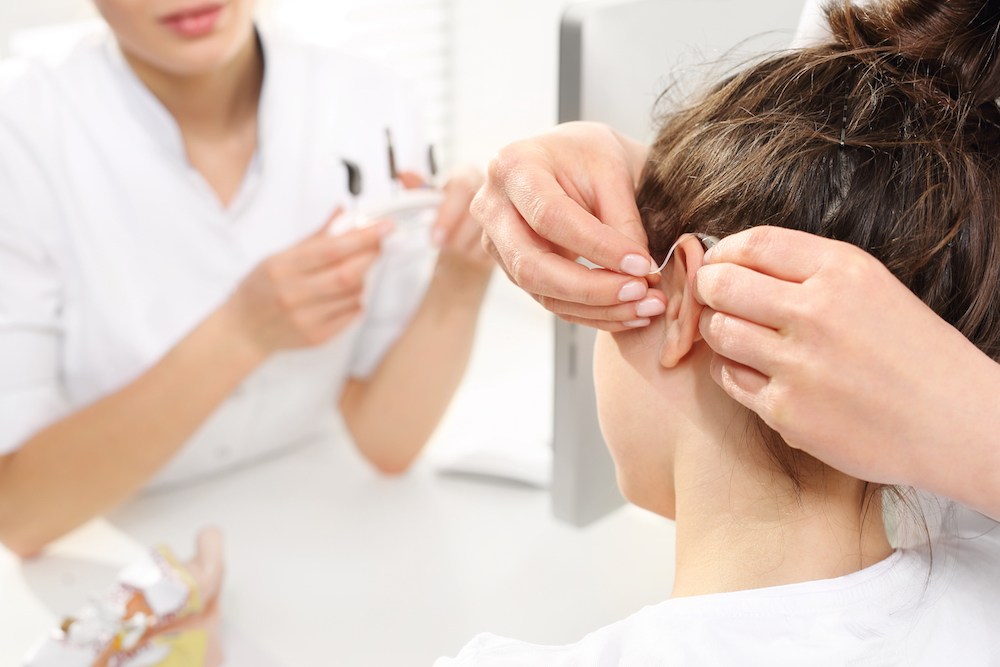
Wind is only one of the changes your hearing aids go through this time of year. Cooler temperatures may shorten battery life, and coming in from the cold can leave a little moisture inside the devices.

Knit hats and hoods start showing up again, and they can press on your hearing aids or shift them out of place. These are small things, but they tend to add up as the season goes on.

How Fall Weather Can Change Hearing Aid Sound

Fall in Bismarck brings cooler temperatures, damp mornings and plenty of back-and-forth between outdoor air and heated buildings. That mix can expose hearing aids to rain, sweat and condensation throughout the day.

When moisture reaches microphones or other openings, sound can start to seem muffled, faint or uneven.

You might also notice static, crackling or sound that cuts in and out. Those changes often show up before you see anything obvious on the device itself. If your hearing aids have been outside in damp weather, check the casing and openings when you come back inside.

Dry off your device and if the sound still seems off after, the problem may be inside the device. That is where a proper drying routine becomes more important than simply wiping it down.

Why Your Ears Feel Different Once the Heat Kicks On

When the furnace kicks on, the air inside your house gets a lot drier. Your ears might feel itchy or tight, and earwax tends to get firmer. That harder wax can change how your hearing aid fits or block sound coming out of the receiver.

The bigger problem is going back and forth between the cold outside and a warm house. When a cold hearing aid warms up, little drops of moisture can form in the tubing or tiny openings. That’s often why sound starts coming through muffled or fuzzy.

When you come in from the cold, give your hearing aids a quick once-over. If they look damp, wipe away the moisture and give them time to dry. Rechargeable and disposable-battery models need slightly different care, so use the routine recommended for yours.

Protecting Hearing Aids Outdoors in Bismarck

Autumn weather can shift quickly, especially on windy days. Light rain, damp air and perspiration all expose hearing aids to extra moisture during walks, yard work or other time outside. Dry hands before making adjustments so you do not transfer even more moisture onto the devices.

Wind is a whole different story. On a breezy fall day in Bismarck, air blows right across your hearing aid microphones. That creates a rushing sound that can cover up what people are saying. A light hood or a hat with a brim can block some of that air, as long as it isn’t squeezing your hearing aids.

A lot of hearing aids also have a wind setting built right in. If wind noise bugs you often, check your app or your programs to see if yours has one. Using a hat and the right setting together usually works better than relying on just one

Overnight Storage and Drying for Hearing Aids

A consistent nighttime routine gives hearing aids a chance to recover from whatever they picked up during the day. Leaving them loose on a nightstand exposes them to dust, spills and temperature changes. A protective case gives them a safer place to sit until morning.

Keep the case away from heating vents, radiators and sunny windows. Excess heat is hard on the internal parts, even when the devices are dry. A spot that stays at a steady room temperature is a safer choice for everyday storage.

If moisture keeps showing up, a hearing aid drying system is worth using. Some rely on desiccant materials, while others use gentle airflow. Rechargeable models need to be handled a little differently, so follow the drying instructions for your specific devices.

A Complete Daily Hearing Aid Cleaning Routine

Daily cleaning should focus on the places where wax, skin oils, dust and moisture are most likely to collect. You do not need to take the hearing aid apart or scrub every surface. A quick, careful check of the main contact points is usually enough.

A more complete evening routine can include the following:

  • Wipe down the casing, controls and battery area to remove oils, dust and residue from the day.
  • Brush around microphone openings carefully with the cleaning tool made for your hearing aids.
  • Inspect wax guards for blockage and replace them when they look clogged or sound starts to seem muffled.
  • Check domes, earmolds and tubing for wax, trapped moisture, cracks or pieces that have started to stiffen.
  • Look over charging contacts or battery compartments for debris that could interrupt power.
  • Make sure vents and small openings stay clear instead of poking into them with pins or other household objects.

Why Batteries Wear Down Faster in the Cold

Chilly weather can cut into your battery life, especially if you’re outside for a while. Disposable zinc-air batteries make their power through a chemical reaction, and that reaction slows down when it’s cold. So a battery that works just fine in the house might seem a little weak after a few hours outdoors.

Rechargeable hearing aids may be impacted too. Lithium-ion batteries generally deliver less runtime in very cold conditions, particularly during long outdoor days. That does not necessarily mean the battery itself is failing.

Keep spare disposable batteries somewhere dry and reasonably warm rather than leaving them in a cold car. Rechargeable hearing aids and chargers should also stay indoors at normal room temperature whenever possible.

If battery life suddenly drops even when the weather has not changed, something else could be draining power.

Wearing Hats and Scarves With Hearing Aids

Cold Bismarck mornings usually mean adding hats, scarves and heavier layers before heading outside.

Unfortunately, some of those layers sit right where behind-the-ear hearing aids need space. A tight knit hat or stiff scarf can press against the device, shift it out of position or leave the skin behind your ear sore.

Look for hats that feel comfortable without squeezing around your ears. Softer fabrics and adjustable styles give hearing aids a little more room while still keeping you warm. After pulling on a hat or scarf, run a finger over each device to make sure it is still sitting where it should.

Taking layers off deserves just as much attention. Scarves, sweaters and mask loops can catch on hearing aids and pull them loose before you realize it. Remove anything around your ears slowly rather than tugging it off in one motion.

Why Fall Clothing Can Make Hearing Aids Whistle

If your hearing aids start whistling as soon as you put on a beanie or raise your coat collar, the clothing itself could be involved. Fabric sitting close to the microphones can change how amplified sound moves around your ear. Some of that sound can travel back toward the microphone and create feedback.

You may notice the whistle disappears as soon as you move the hat or collar away from the hearing aid. Try adjusting the fabric so it is not pressed directly against the microphone area. Sometimes a small change in position is enough to stop the squeal.

A dome or earmold that has become loose can make feedback more noticeable too. More amplified sound escapes when the earpiece no longer seals the way it should. If whistling continues even without a hat, scarf or collar nearby, the fit deserves a closer look.

What a Fall Hearing Aid Tune-Up Can Check

A professional cleaning goes beyond the areas you can safely reach at home. Your audiologist can remove buildup from small openings, inspect the receiver and check whether moisture has reached deeper parts of the device.

They can also look for worn tubing, loose components or other physical problems.

A fall visit is also a chance to check how the hearing aids are performing before harsher winter weather arrives. Your audiologist can test output, make sure both devices are working consistently and review any changes you have noticed. That could include shorter battery life, persistent feedback or sound that no longer seems as clear.

Settings can be reviewed at the same time if outdoor wind or heavier winter clothing regularly creates problems. That is different from simply cleaning the devices at home. It gives your professional a chance to catch mechanical, acoustic or programming issues before they become more disruptive.

Staying Ready for Fall Weather with Proper Hearing Aid Care

A few small changes will keep your hearing aids working well this fall. Keeping spare batteries handy, drying your devices overnight and adjusting how your hat sits can all make a noticeable difference.

At Alliance Center for Hearing in Bismarck, North Dakota, we will check your devices and help you get them ready for the season. That way, a breezy afternoon in the yard doesn’t mean missing what your neighbor is saying over the fence. Call us at (701) 401-9719 to schedule a visit.